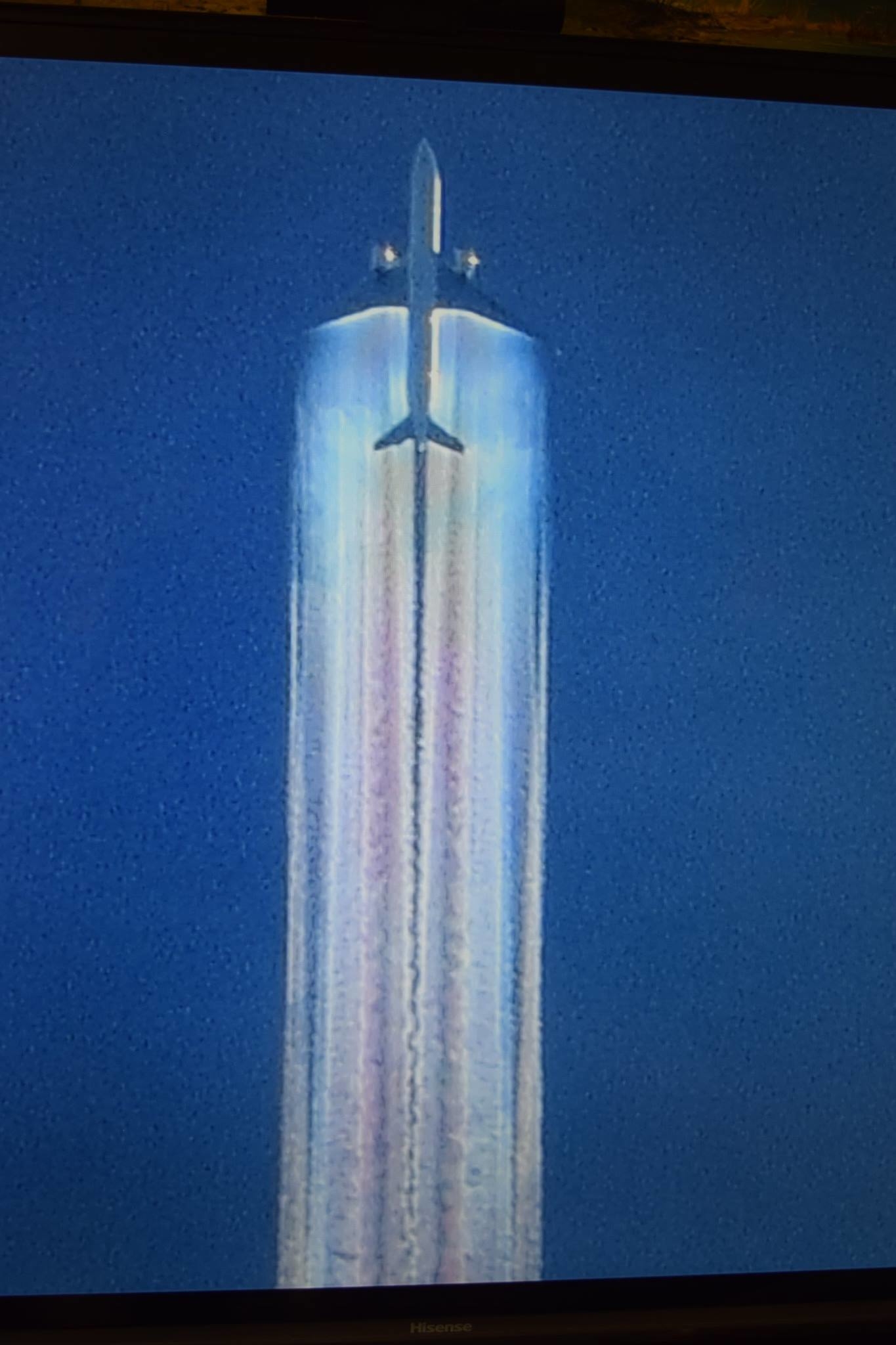
The Model Cement chemtrail type has been the dominant component in the descending fallout from military tanker jets for nearly a decade. The odor of Model Cement is also combined with the odor of burnt plastic, which makes sense considering that Model Cement liquifies plastic and is essentially a plastic solvent. This property of this solvent is useful for gluing model toys together and for joining PVC pipes.
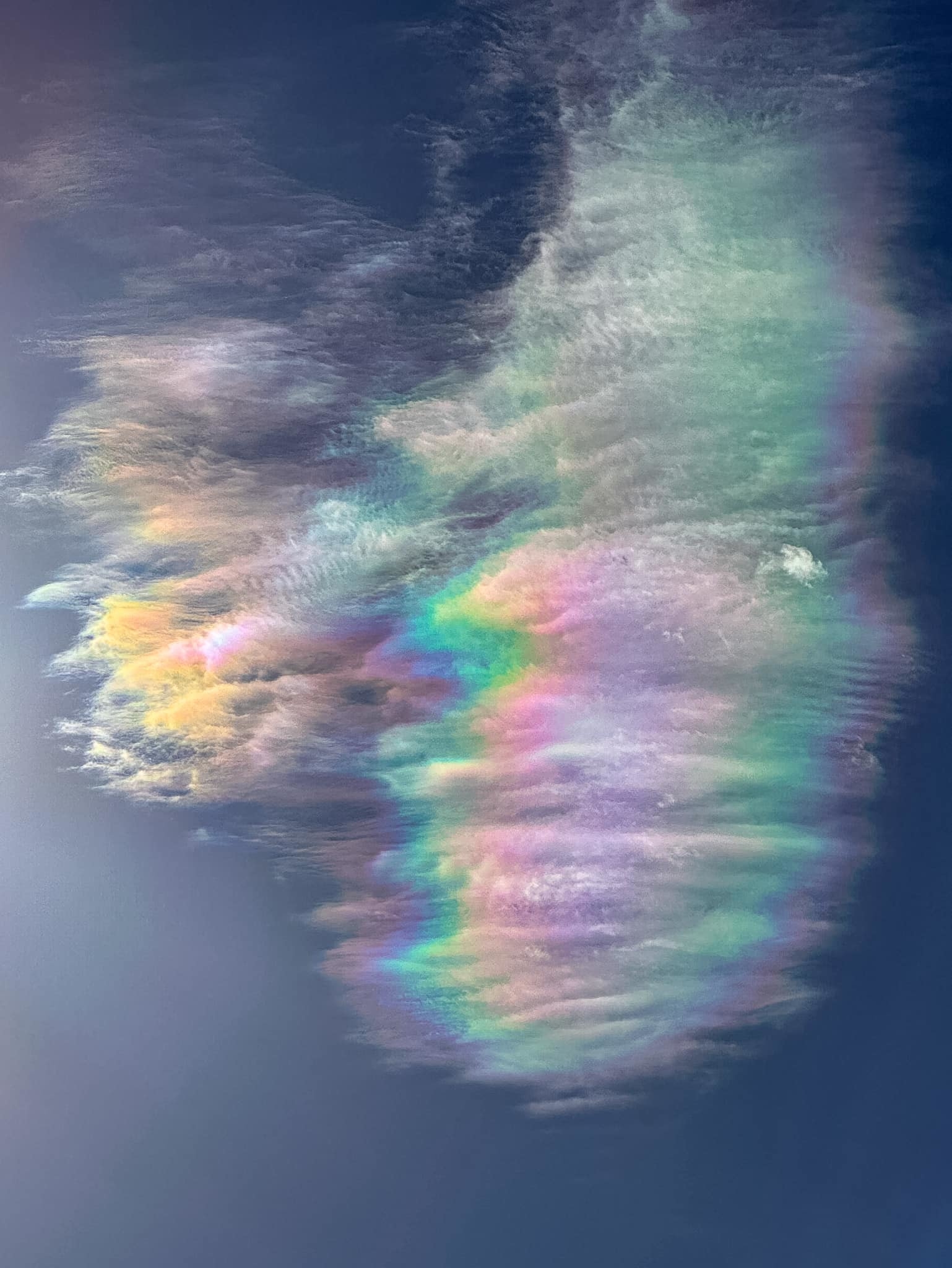
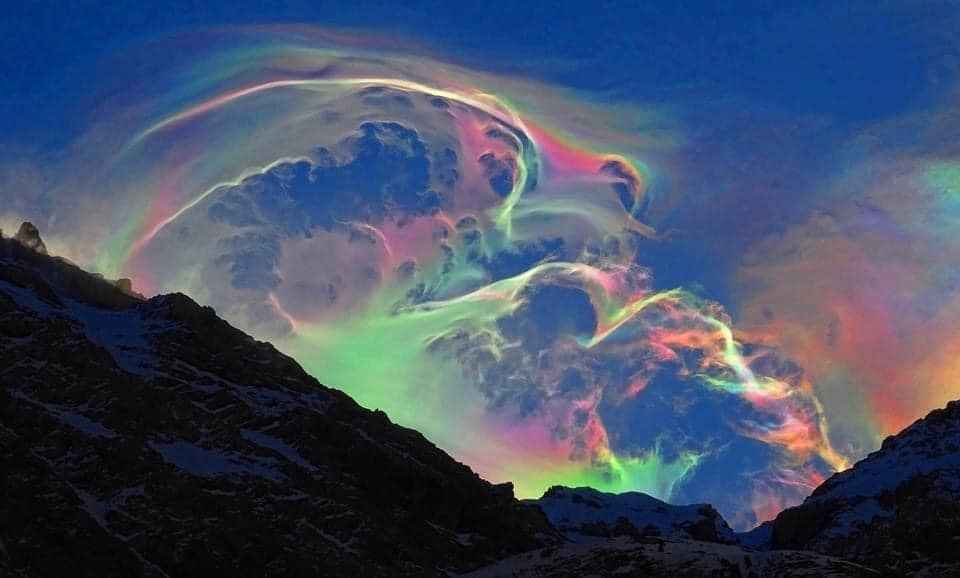
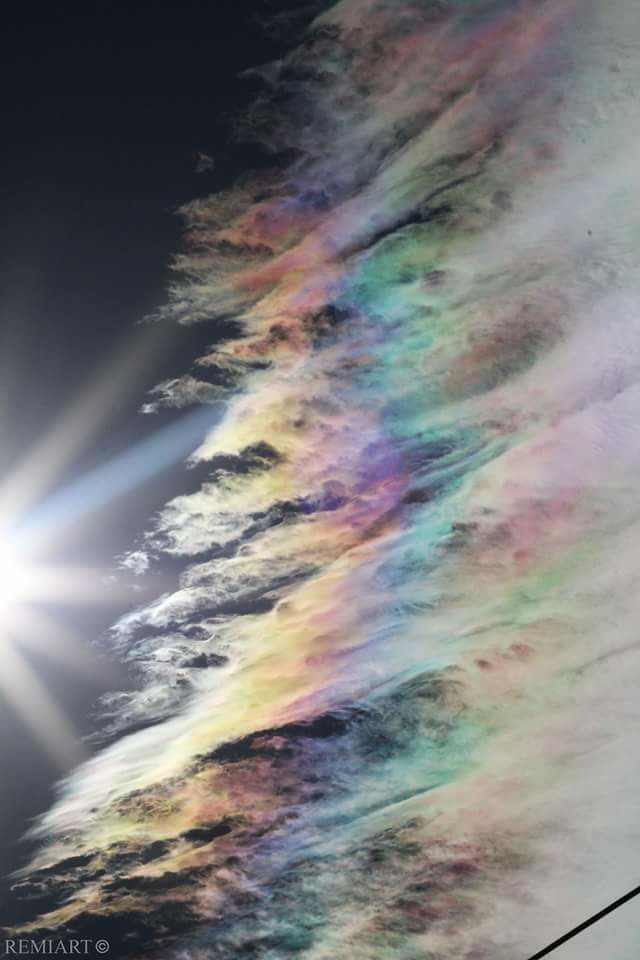
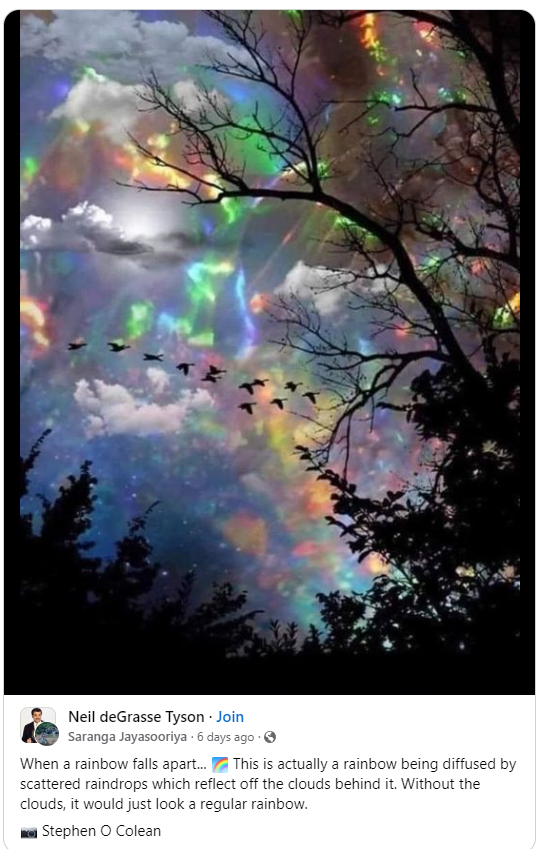
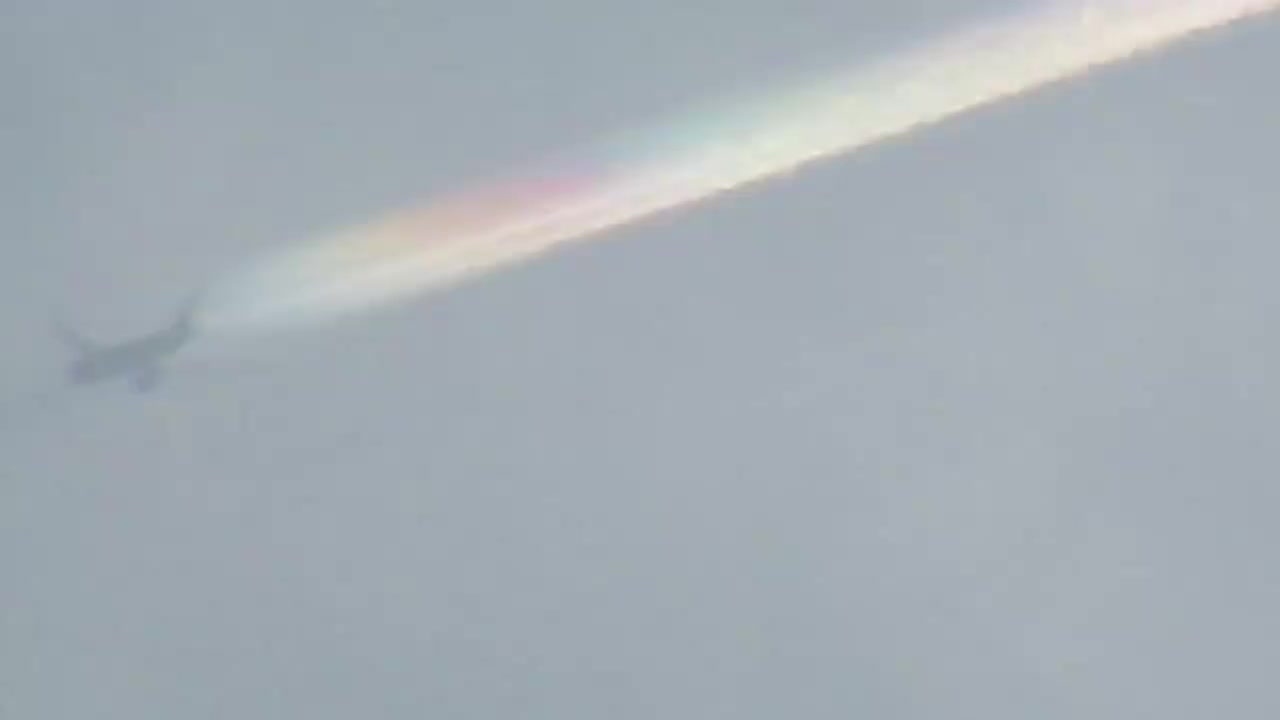
Those who understand how this works can clearly see that this color spectrum in many modern clouds is not the result of refraction through water. This is, however, identical to petroleum-refraction. Is it any wonder that one of the most common chemtrail types smells like model cement.
Model cement is any glue or cement commonly used in the building of model airplanes, boats and automobiles, containing toluene, acetone, methyl ethyl ketone, ethylene dichloride, benzene, carbon tetrachloride, chloroform and other ketones, esters or alcohols, or other solvent or chemicals.
Ketones are organic compounds that contain a carbonyl group bonded to two carbon atoms. They are not petroleum products themselves, but they can be derived from petroleum or other natural sources. Ketones are commonly used in various industrial processes, including the production of solvents, plastics, and pharmaceuticals.
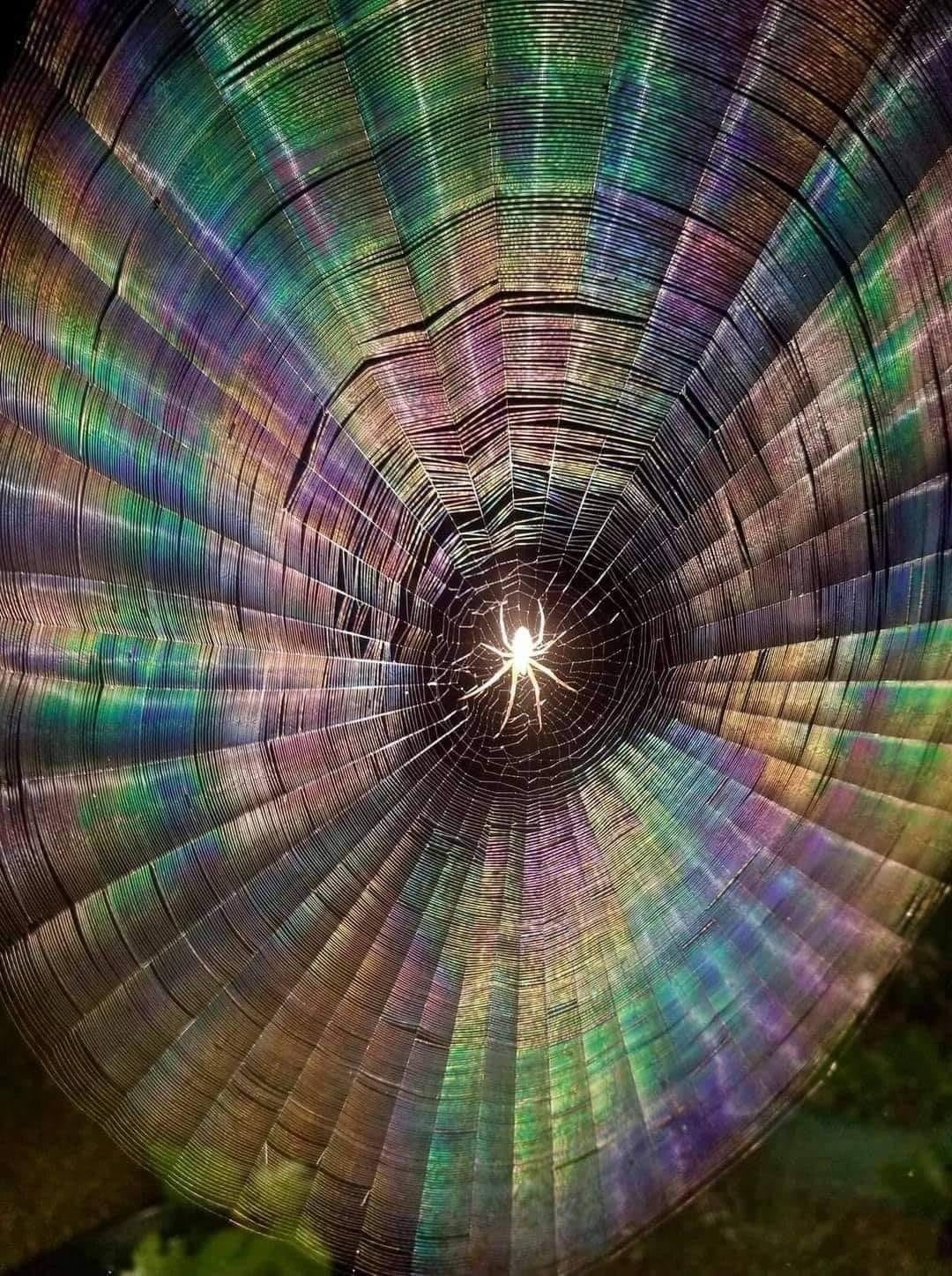
The rainbow effect seen when oil, a *petroleum* product, is spilled on water is due to a phenomenon called thin-film interference. The thin layer of oil creates a film on the surface of the water, and when light interacts with this film, it undergoes interference.
Here's a simplified explanation of the process:
Reflection: When light hits the interface between the air and the thin oil film, some of it is reflected.
Refraction: Some light also enters the oil film. As it passes through the film, it slows down and bends (refracts).
Reflection again: The refracted light then reflects off the bottom surface of the oil film, heading back up.
Interference: The reflected light waves interact with the incoming waves, and depending on the thickness of the oil film, they can reinforce each other (constructive interference) or cancel each other out (destructive interference).
The interference produces different colors because different colors of light have different wavelengths, and these wavelengths interfere constructively or destructively at different thicknesses of the oil film. This results in the appearance of a rainbow of colors.
This phenomenon is similar to the way colors are produced in soap bubbles or on the surface of a thin layer of gasoline on water. The colors change as the thickness of the film changes, creating the vibrant patterns often seen in oil spills on water surfaces.
The rainbow effect observed in oil spills on water, often referred to as the "oil slick rainbow," tends to be shifted toward shorter wavelengths. This phenomenon is a result of thin-film interference, as explained earlier. The interference of light waves produces different colors depending on the thickness of the oil film.
In the case of oil on water, the thin film of oil typically causes constructive interference for shorter wavelengths of light (such as blue and violet) and destructive interference for longer wavelengths (such as red and orange). As a result, the colors observed in the oil slick rainbow are often skewed towards the blue and violet end of the spectrum.
This is why you may see a shimmering display of predominantly blue and violet colors on the surface of water where oil has been spilled. The exact colors and patterns can vary depending on factors like the thickness of the oil film and the angle of the incident light.
—Ground level artifacts indicate the presence of petroleum products
Memes To Share
Share this meme on social media. Right-click, then copy, then paste into any social media post.




![[Linked Image]](http://globalskywatch.com/chemtrails/ubbthreads.php?ubb=download&Number=18037&filename=petroleum-clouds.png)